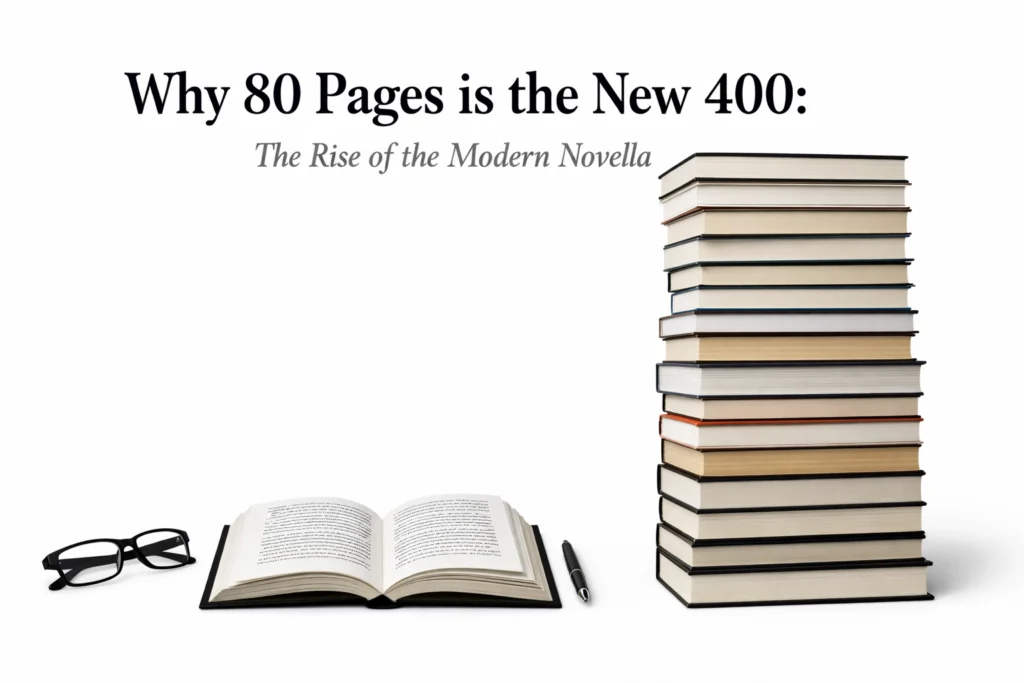
Why 80 Pages is the New 400: The Rise of the Modern Novella
Here's something that might surprise you: the average reader abandons 60% of the books they start. And before you blame yourself for being "lazy" or "undisciplined," let me ask you this, what if the problem isn't you? What if it's the bloated, meandering 400-page novels that refuse to get to the point?
Welcome to the rise of the modern novella, where 80 pages isn't a compromise, it's a power move.
In a world where we've embraced short-form video, 20-minute podcasts, and micro-learning, it's about time our fiction caught up. The novella isn't the "lesser" cousin of the novel anymore. It's the smart, efficient, and frankly superior alternative for readers who value their time.
The Bloat Problem: When 400 Pages Has 200 Pages of Fluff
Let's be honest. How many times have you been 150 pages into a "gripping thriller" and thought, Does this really need another scene of the detective making coffee?
Modern publishing has created a culture where page count equals value. Publishers often push authors to hit arbitrary word counts, not because the story demands it, but because bookstores want "shelf presence" and readers have been conditioned to think longer equals better.
The result? Novels stuffed with:
- Redundant dialogue that says the same thing three different ways
- Over-described settings that read like real estate listings
- Meandering subplots that go nowhere
- Character backstories nobody asked for
You know the feeling. That moment around page 250 when you realize the last 100 pages could've been summarized in a single chapter. That's not storytelling, that's padding.
The modern novella strips all that away. Every sentence earns its place. Every scene drives the plot forward. There's no room for fluff when you're working with 80-100 pages. And you know what? That constraint actually makes the story better.
The Efficiency Revolution: Why Short-Form Everything is Winning
Think about how you consume content today:
- You watch 20-minute YouTube essays instead of 2-hour documentaries
- You listen to 30-minute podcast episodes instead of 3-hour audiobooks
- You read Twitter threads instead of long-form articles
This isn't laziness, it's efficiency. You're not looking for less value; you're looking for the same value in less time.
Fiction is catching up. Just like how TikTok proved you don't need a 10-minute video to tell a compelling story, the novella proves you don't need 400 pages to deliver a complete, satisfying narrative.
The data backs this up:
- 69% of Australians read for pleasure in 2022 (down from 72% in 2019)
- 54.9% of readers say they read less than they intend to
- The biggest barrier? "I don't have time"
The modern novella isn't asking you to make more time. It's meeting you where you are, on your lunch break, during your commute, or in that 45-minute window before bed.
The Dopamine of Done: The Psychology Behind Finishing
Here's a truth bomb: Finishing a book feels incredible. It triggers a dopamine hit that reinforces the behavior and makes you want to read more.
But what happens when you spend three weeks on a 400-page novel, constantly losing your place, forgetting characters, and struggling to find momentum? You lose that dopamine reward. Reading starts to feel like homework. And eventually, you stop.
The novella flips this script entirely.
When you finish an 80-page mystery in one sitting, your brain lights up. You get that sense of accomplishment. You actually remember the plot. You feel smart, capable, and motivated to pick up the next one.
This is the same principle behind the "small wins" productivity method, breaking big goals into achievable chunks makes you more likely to keep going. The novella is the literary equivalent of a quick win. And that win? It's addictive.
Compare these two experiences:
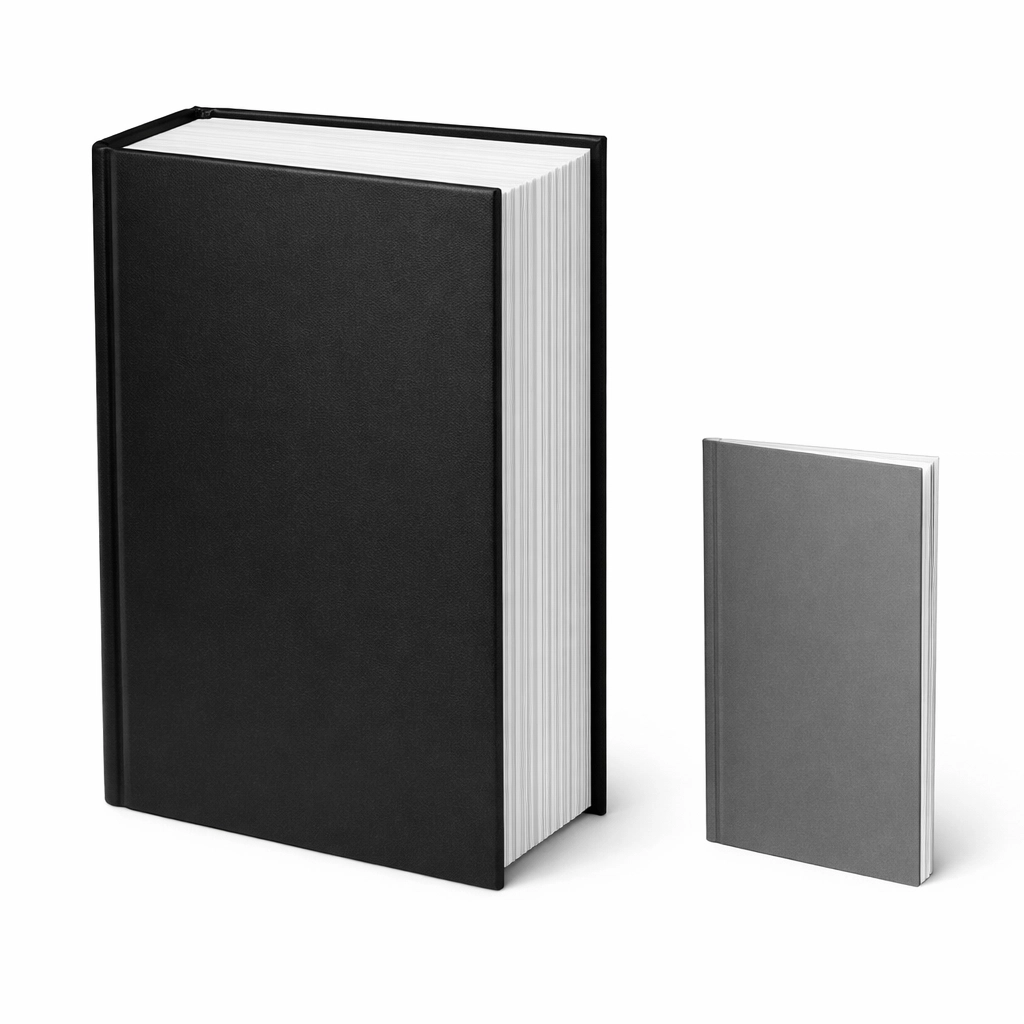
| 400-Page Novel | 80-Page Novella |
|---|---|
| Takes 2-4 weeks to finish | Finished in 1-2 sittings |
| Requires "getting back into it" each session | Immediate immersion |
| Risk of forgetting characters/plot | Complete story arc in one go |
| Feels like a commitment | Feels like a treat |
Which one are you more likely to finish? Which one are you more likely to start?
For a deeper dive into why this matters, check out our guide on the benefits of short reads.
Curated Fiction: When Every Word Counts
Let me introduce you to a concept that changes everything: curated fiction.
Think of a 400-page novel as an all-you-can-eat buffet. Sure, there's a lot of food, but half of it is filler you don't really want. You're stuffed, but not necessarily satisfied.
Now think of an 80-page novella as a gourmet tasting menu. Every course is intentional. Every flavor is precise. Nothing is wasted. You leave feeling completely satisfied, and maybe even wanting more.
That's the difference between long and short reads. The novella format forces authors to be disciplined. With limited space, every sentence must:
- Advance the plot
- Reveal character
- Build tension
- Create atmosphere
There's no room for "nice-to-have" scenes or self-indulgent prose. The story is lean, focused, and punchy. And for readers? That means you're getting pure story, not story + 200 pages of filler.
This is especially powerful in genre fiction like mysteries and thrillers, where pacing is everything. A short mystery book under 100 pages can deliver the same twists, tension, and payoff as a 400-page doorstop, but without the drag.
The C.T. Mitchell Standard: 80 Pages of Pure Mystery
Want to see this "curated fiction" philosophy in action? Look no further than C.T. Mitchell's signature series.
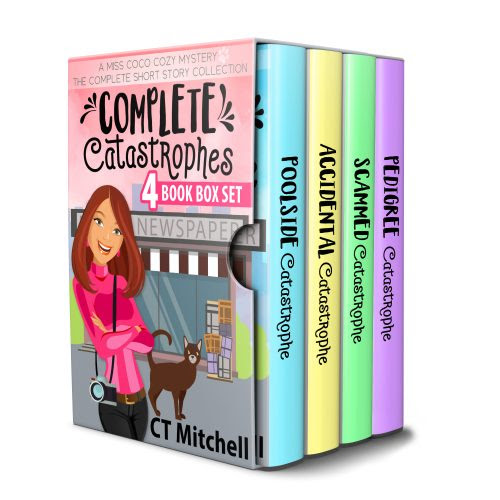
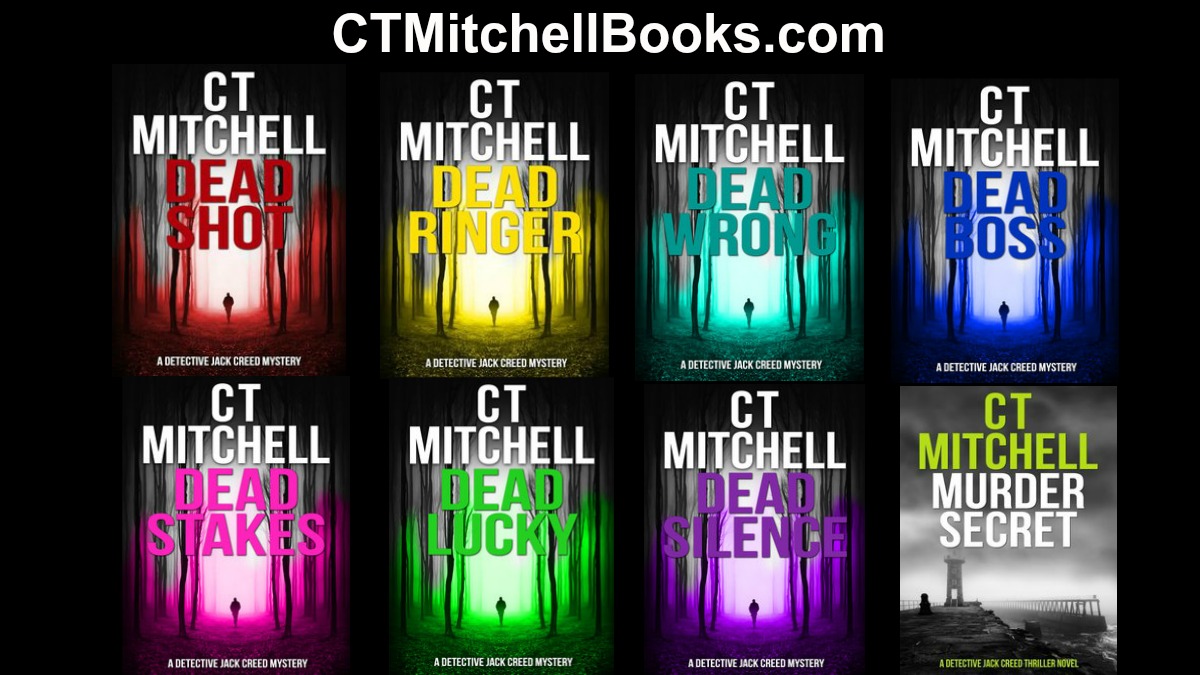
Mitchell has mastered the art of the one-sitting mystery. Each novella, whether it's the rugged Detective Jack Creed series, the witty Lady Margaret Mysteries, or the sharp Selena Sharma Investigations, clocks in at around 80-100 pages. And every single one delivers a complete, satisfying mystery arc.
Here's what makes them work:
- Single central conflict: No wandering subplots
- Tight cast: You know exactly who matters
- Focused timeline: The action unfolds fast
- Zero fluff: Every scene earns its place
These aren't "shortened books" or condensed versions of longer novels. They're purpose-built for the modern reader who wants a complete story without the commitment of a week-long slog.
And the best part? You actually finish them. That dopamine hit? It's real. And it makes you want to pick up the next one immediately.
Why This Isn't a Trend, It's a Movement
You might be thinking, Sure, but isn't this just a fad?
Not even close. The shift toward short-form content isn't temporary: it's a fundamental change in how we consume information and entertainment. We're not going back to 3-hour movies or 500-page novels as the default. We're moving toward precision, efficiency, and value per minute.
The modern novella is simply fiction catching up to the rest of culture. And the readers who embrace it? They're not settling for less. They're choosing better.
If you're tired of DNF-ing another 400-page "bestseller" or feeling guilty about the stack of unfinished books on your nightstand, it might be time to ask yourself: What if the problem was never you?
What if you just needed stories that respect your time?
Ready to experience the difference? Dive into C.T. Mitchell's world of one-sitting mysteries. Whether you're craving a rugged detective thriller, a clever cozy mystery, or a fast-paced investigation, there's an 80-page adventure waiting for you at The Short Reads.
Because sometimes, 80 pages is all you need.
Share