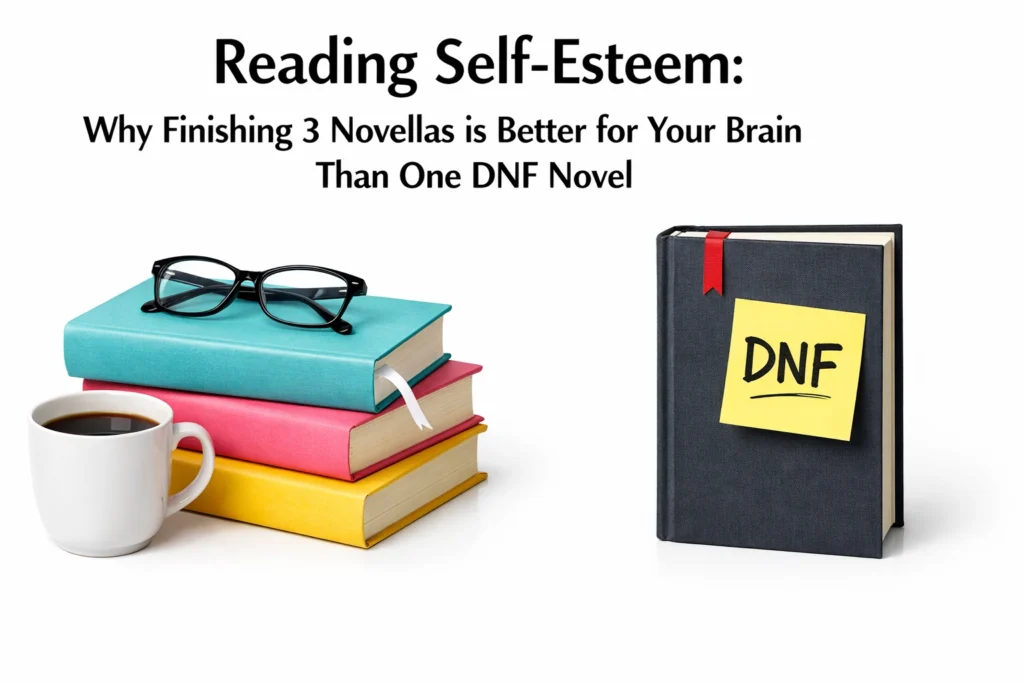
Reading Self-Esteem: Why Finishing 3 Novellas is Better for Your Brain Than One DNF Novel
Here's a question that might sting a little: How many books are currently sitting on your nightstand, gathering dust at the 40% mark? You started them with good intentions. You really did. But somewhere around page 150, life got in the way, your attention wandered, and now that 800-page literary epic just stares at you with judgment every single night.
Welcome to the club. You're not alone, and more importantly, you're not broken.
The publishing industry has recently noticed something fascinating: readers are increasingly gravitating toward shorter books, novellas, slim volumes, quick reads, and it's not just about our shrinking attention spans. It's about something much more powerful: reading self-esteem. That's right. The simple act of finishing a book, any book, triggers a psychological win that can transform how you see yourself as a reader.
And here's the counterintuitive truth: finishing three 100-page novellas will do more for your reading habit (and your brain) than abandoning one 400-page novel ever could.
The Dopamine Hit You're Missing
Let's talk brain chemistry for a second. When you finish a book, your brain releases dopamine, the same neurotransmitter associated with achievement, reward, and motivation. It's the same chemical rush you get from crossing items off your to-do list or completing a workout. Finishing a book creates a genuine neurological reward.
But here's where it gets interesting: your brain doesn't really care how long the book was. A 120-page novella triggers the same completion dopamine as a 600-page novel. The reward system is binary, you either finished or you didn't.
So let's do the math:
- Three finished novellas = three dopamine hits, three psychological wins, three books added to your "completed" list
- One DNF (Did Not Finish) novel = zero dopamine hits, mounting guilt, and a growing belief that you're "not a reader anymore"
Which scenario sounds better for your reading self-esteem?

What Exactly Is "Reading Self-Esteem"?
The term comes from industry observers who've noticed a crucial pattern: readers who finish books consistently start to identify as "readers" again, while those with a string of DNFs begin to think of themselves as "lapsed readers" or worse, people who "used to read."
Reading self-esteem works like this:
- You finish a book → You feel accomplished
- You feel accomplished → You're motivated to read another
- You read another → You finish it
- You finish it → Your identity as a "reader" strengthens
- Your identity strengthens → Reading becomes part of who you are
It's a virtuous cycle. But it only works if you're actually finishing things.
The problem with tackling ambitious, lengthy novels is that they often interrupt this cycle. Life happens. The pace slows. You set it down "just for a day" and suddenly it's been three weeks. The guilt sets in. You start to think, "Maybe I'm just not a reader anymore."
But you are. You just need different-sized wins.
The Psychological Weight of an Unfinished Book
Let's be honest about DNFs for a moment. That abandoned book on your nightstand isn't neutral. It's not just sitting there innocently. Every time you see it, your brain processes it as an incomplete task, which creates what psychologists call a "Zeigarnik effect", the mental tension caused by unfinished business.
This matters more than you think. Research on task completion and motivation shows that:
- Incomplete tasks occupy mental space and create low-level anxiety
- Multiple unfinished projects decrease overall motivation
- Conversely, completing small tasks creates momentum for larger ones
When you abandon a 500-page novel at page 200, you don't just lose 200 pages of reading time. You lose confidence. You reinforce the narrative that reading is hard, that you don't have time, that maybe books just aren't for you anymore.
But when you finish a 150-page novella? You prove yourself wrong. You demonstrate that you can read. You do have time. You are a reader.
The Three-Novella Strategy
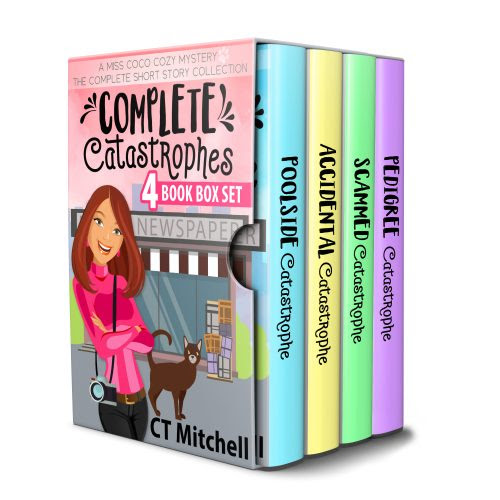
Here's where things get practical. Instead of committing to one lengthy novel that might interest you for 400+ pages, consider this alternative approach:
Read three novellas in the same time you'd spend on one long book.
The benefits stack up quickly:
- Variety keeps you engaged – If one isn't clicking perfectly, you're only 100 pages from a fresh start
- Three endings = three wins – You get multiple completion experiences instead of one (or none)
- Genre exploration without commitment – Try a thriller, a romance, and a mystery in the same week
- Momentum builds rapidly – Each finish propels you into the next book with confidence
- Your identity shifts faster – You go from "I haven't finished a book in months" to "I've read three books this week"
That last point is crucial. When someone asks, "Read anything good lately?" the answer changes from an embarrassed "Well, I started this one book…" to a confident "Actually, I just finished three books last week."
From Lapsed to Avid: The Reader You Used to Be
Remember when you were a kid and you'd stay up past bedtime with a flashlight under the covers? Remember college, when you'd crush a whole book in an afternoon between classes? You probably considered yourself a reader back then.
What changed wasn't your capacity to read, it was your experience of completion.
Life got busier. Books got longer (or felt longer). The dopamine hits became rare. The identity slowly shifted from "reader" to "someone who used to read" to "I wish I read more" to "I'm just not a book person."
But here's the thing: you can rebuild that identity faster than you think. Not by forcing yourself through Infinite Jest or War and Peace to prove something, but by creating a string of small, satisfying wins.
The publishing industry is catching on. That's why we're seeing what some are calling "The Year of the Slim Volume", a renaissance of shorter, tighter books designed to give you the full arc of a story without demanding your entire month.

The "Good Enough" Book Beats the Perfect DNF
There's a trap many readers fall into: waiting for the "perfect" book to justify the time investment. You browse for hours, read reviews obsessively, and finally commit to something ambitious because, well, if you're going to spend 10+ hours reading, it better be amazing, right?
This perfectionism kills more reading habits than anything else.
Contrast that with the novella approach: "This looks interesting, it's only 2 hours, let's give it a shot." Lower stakes. Less pressure. More experimentation. And ultimately, more reading.
A "good enough" book that you finish will always serve your reading life better than a "perfect" book you abandon at 30%. Because the goal isn't to only read masterpieces: it's to be a person who reads.
Making the Switch: Your Next Three Books
If you're currently stalled on a long novel, here's your permission slip: set it aside. Not forever, necessarily. Just for now. Replace it with three shorter reads.
Choose books that:
- Can be finished in one or two sittings (under 200 pages ideal)
- Match different moods (one thriller, one romance, one mystery)
- Have been sitting on your list but felt "too short to count"
Then watch what happens to your reading identity over the next two weeks.
You might find yourself saying things like:
- "I'm on my second book this week"
- "I just finished the best thriller"
- "I need a new book recommendation: I'm already done with this one"
Those aren't just sentences. They're identity statements. They're the language of someone who reads.
The Real Surprise? Size Never Mattered
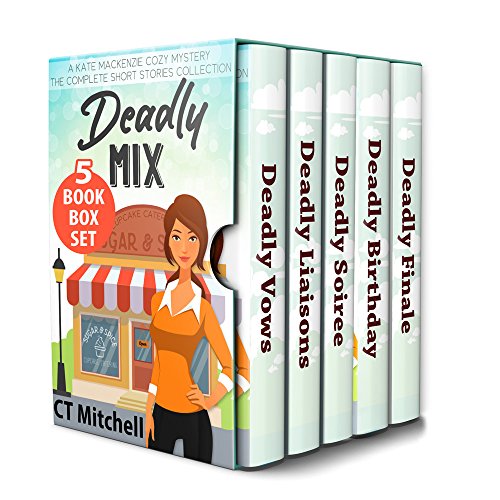
Here's what the publishing world is finally acknowledging: literary value was never tied to page count. A brilliant 120-page novella isn't somehow "less than" a mediocre 500-page novel. In fact, brevity often requires more skill: every word has to earn its place.
Yet for decades, we've internalized this idea that "serious readers" tackle big books while shorter works are somehow… lesser. Easier. Not as impressive.
But your brain doesn't buy into that cultural bias. Your dopamine system doesn't care about prestige. It cares about completion, satisfaction, and forward momentum.
So give yourself permission to count those short reads. To brag about finishing three novellas. To rebuild your reading self-esteem one small win at a time.
Because the reader you want to be isn't built on abandoned ambitions and dusty doorstops. They're built on a simple pattern: finish, feel good, repeat.
Ready to start fresh? Check out some quick thriller stories that prove powerful storytelling doesn't need 400 pages, or explore why short reads benefit your brain in ways that might surprise you. Your next three finishes are waiting.
Share