
From Lapsed to Loaded: 5 Steps to Rebuild Your Library Without the Overwhelm
Here's a statistic that might sting a little: 42% of Australians who consider themselves "readers" haven't finished a book in the last six months. You're not alone if your once-thriving bookshelf has become a monument to good intentions, gathering dust while you scroll through your phone at night.
The real surprise? It's not that you stopped loving books. You just got overwhelmed.
Maybe life got busier. Maybe you picked up a 600-page fantasy epic and stalled out at page 87. Maybe your to-be-read pile became a tower of judgment every time you walked past it. Whatever happened, here's the good news: rebuilding your reading life doesn't require clearing your schedule or forcing yourself through doorstoppers. It requires a smarter strategy, and a library that actually works with your life, not against it.
Let's rebuild your collection from the ground up, minus the guilt trip.
Step 1: Start Micro (Like, Really Micro)
Forget the idea that "real readers" tackle 400-page novels. That mentality is exactly what got you here in the first place.
Your first step isn't to buy a dozen books or commit to reading an hour every night. Your first step is to finish one short book: ideally something under 150 pages that you can knock out in one or two sittings.
Why does this work? Because your brain needs proof that you can still do this. Lapsed readers typically suffer from what psychologists call "learned helplessness": you've failed to finish so many books that you've unconsciously decided you're just not a reader anymore.
One finished novella breaks that pattern immediately.
Here's what to look for in your comeback read:
- 80-150 pages maximum (think novella, not novel)
- A genre you already know you enjoy (now's not the time to experiment with Russian literature if you're a thriller person)
- Fast pacing with quick chapters
- A complete story with a satisfying ending
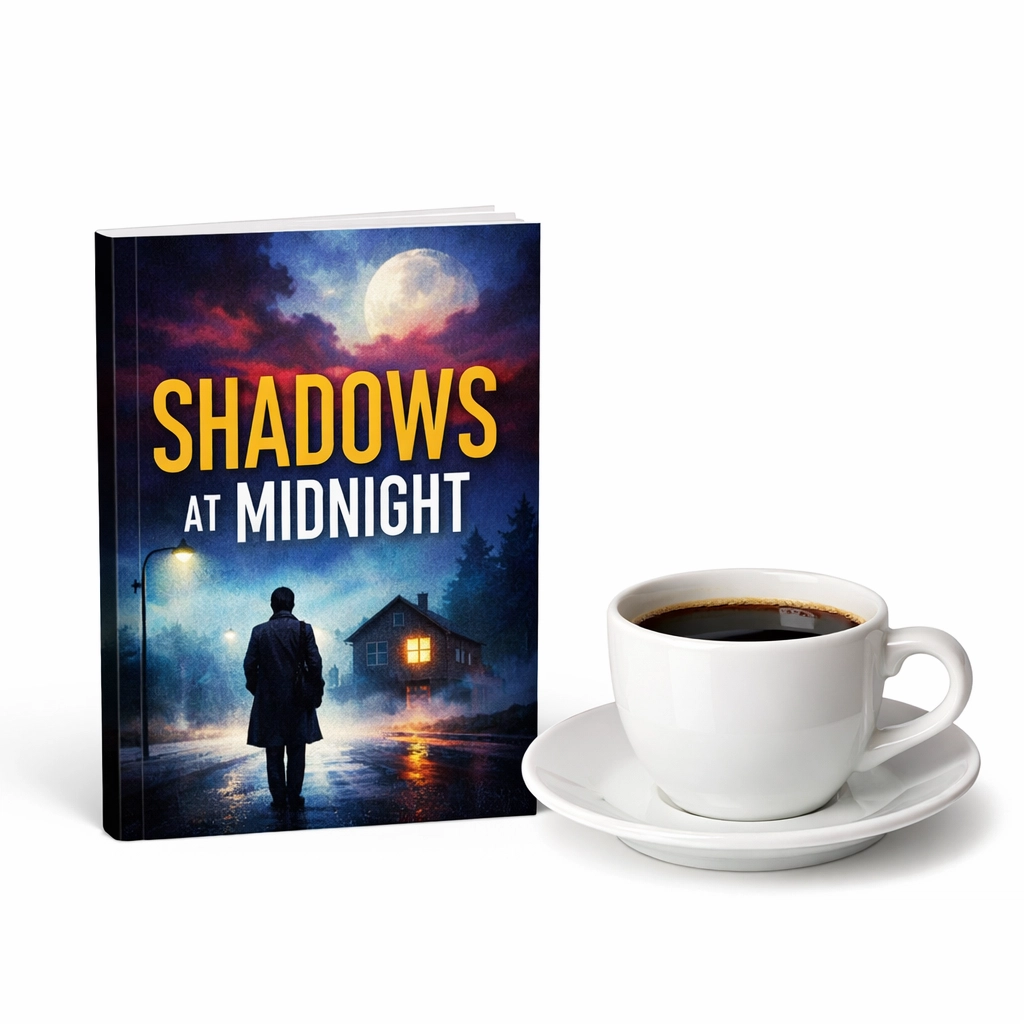
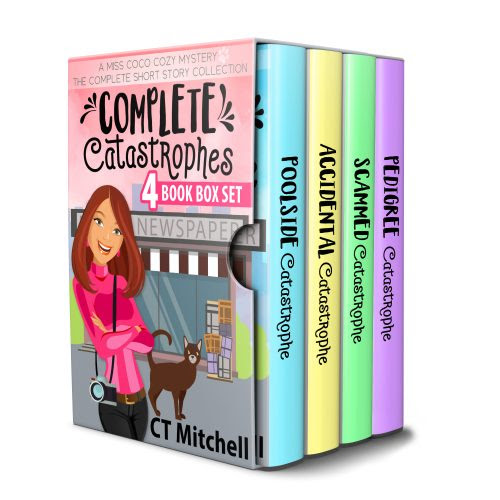
The Detective Jack Creed mysteries or the Miss Coco series are specifically designed for this purpose: tight, complete stories that deliver the full reading experience without the marathon commitment.
Step 2: Ditch the Guilt and Reset Your Expectations
Before you rebuild your physical library, you need to rebuild your mental framework around what reading "should" look like.
The average lapsed reader carries approximately 3-7 unfinished books in their guilt inventory: that nagging list of books they started, meant to finish, and now feel bad about. Some of those books have been haunting them for years.
Here's your permission slip: You don't have to finish those books. Ever.
Close them. Remove them from your shelf. Donate them to a library. Delete them from your Kindle. Whatever happened in the first 50 pages isn't your responsibility to resolve. You don't owe those authors anything.
Start fresh with a simple rule: If you're not enjoying a book by page 30, you're allowed to quit. With a 100-page novella, that's still a third of the book: plenty of time to know if it's working for you.
This approach flips the typical "power through it" mentality that keeps lapsed readers stuck. When books are short, quitting doesn't feel like failure: it just means you're curating smarter.
Step 3: Build Your "Starter Shelf" with Strategic Novellas
Now comes the fun part: intentionally building a small, manageable collection designed for momentum, not intimidation.
Your starter shelf should contain 5-8 short books maximum. That's it. This isn't about amassing a impressive library: it's about creating a launchpad that removes decision fatigue and keeps you moving forward.
Here's how to structure your starter shelf:
The Quick Wins Section (3-4 books):
- Short mysteries or thrillers under 100 pages
- Cozy mysteries with episodic structures
- Psychological thrillers with fast-paced twists (learn more about why these work)
The Comfort Reads Section (2-3 books):
- Genres you already know you love
- Familiar authors or series
- Books recommended by friends you trust
The "Feeling Adventurous" Slot (1 book):
- Something slightly outside your usual preferences
- Still short, but maybe a different genre or style
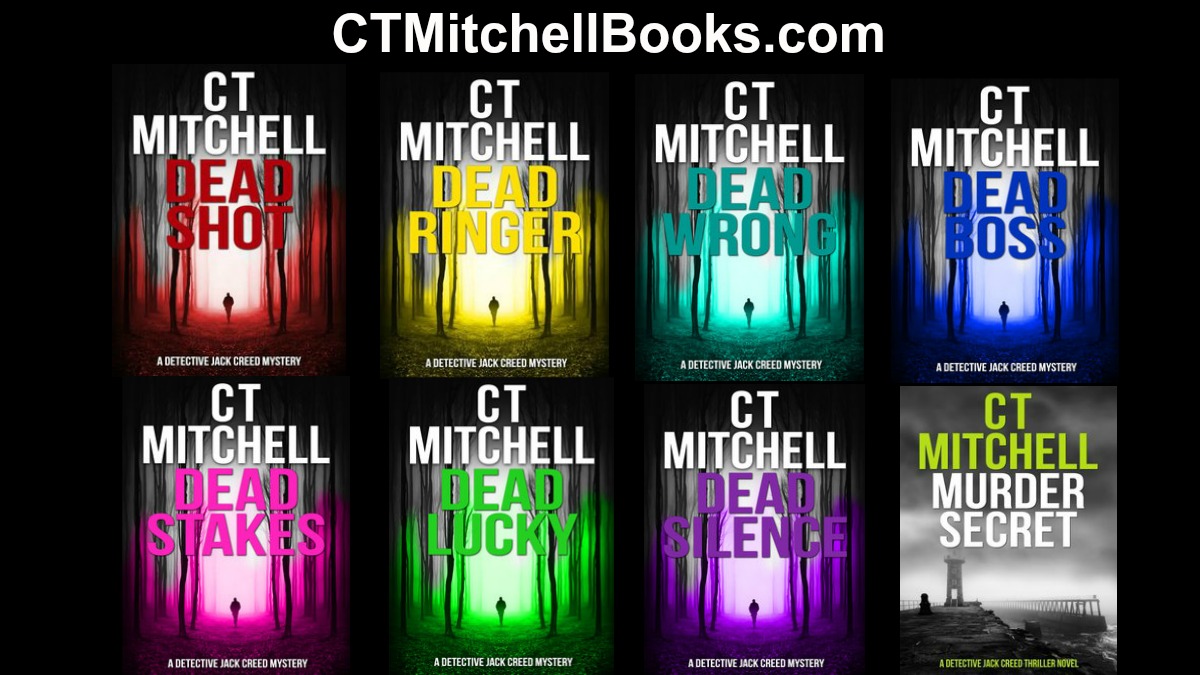
The beauty of this system? You can see all your options at a glance. No excavating through stacks. No paralysis from too many choices. Just grab one and go.
Step 4: Organize for Motivation, Not Pinterest
Lapsed readers often make the mistake of organizing their shelves by author or alphabetically: systems designed for libraries, not for people trying to rebuild momentum.
Instead, organize your starter shelf by readiness and appeal:
- Front and center: Books you're genuinely excited to read right now
- Easy reach: Books you're interested in but not urgent
- Out of sight: Everything else (store them until you finish your starter shelf)
You can also use visual cues to remove decision fatigue:
- Stack books spine-out if you haven't started them
- Face covers outward for the book you're currently reading
- Create a "finished" section even if it only has one book in it: seeing that section grow is surprisingly motivating
The goal isn't aesthetic perfection. The goal is removing the mental friction between "I should read" and actually opening a book.
Step 5: Set Micro-Habits, Not Marathon Goals
The final step is building tiny, sustainable reading rituals that fit into your actual life: not the aspirational version of your life where you have three free hours every evening.
Research shows that habit formation requires an average of 66 days, but here's the catch: that only works if the habit is small enough to be automatic.
Here are micro-habits that work for lapsed readers:
The Coffee Shop Rule: Read for exactly 10 minutes while your coffee brews in the morning. That's it. Not 30 minutes. Not a whole chapter. Just 10 minutes.
The Waiting Game: Keep a novella in your car or bag. Read during any wait time: school pickup lines, appointments, lunch breaks.
The One-Chapter Shutdown: Replace 10 minutes of phone scrolling before bed with one chapter of your current read. Short mystery structures are perfect for this because chapters typically clock in at 5-8 minutes.
The Weekend Sprint: Dedicate one weekend morning per month to finishing an entire novella in one sitting. Call it your "reading brunch."
The key insight? You're not trying to become a person who reads for an hour every day. You're trying to become a person who reads regularly in whatever time you actually have.
The Bottom Line: Small Library, Big Wins
Rebuilding your reading life isn't about willpower or finding more time. It's about strategic friction reduction: removing every possible obstacle between you and a finished book.
A smaller, smarter library beats an impressive, overwhelming one every single time. When every book on your shelf is short, complete, and specifically chosen for momentum rather than prestige, you stop being a lapsed reader and start being someone who actually reads.
Your next step: Pick one novella. Just one. Read it this week. Then come back and build from there.
Your starter shelf is waiting at The Short Reads: where every book is designed to be finished, not just started.
Share