
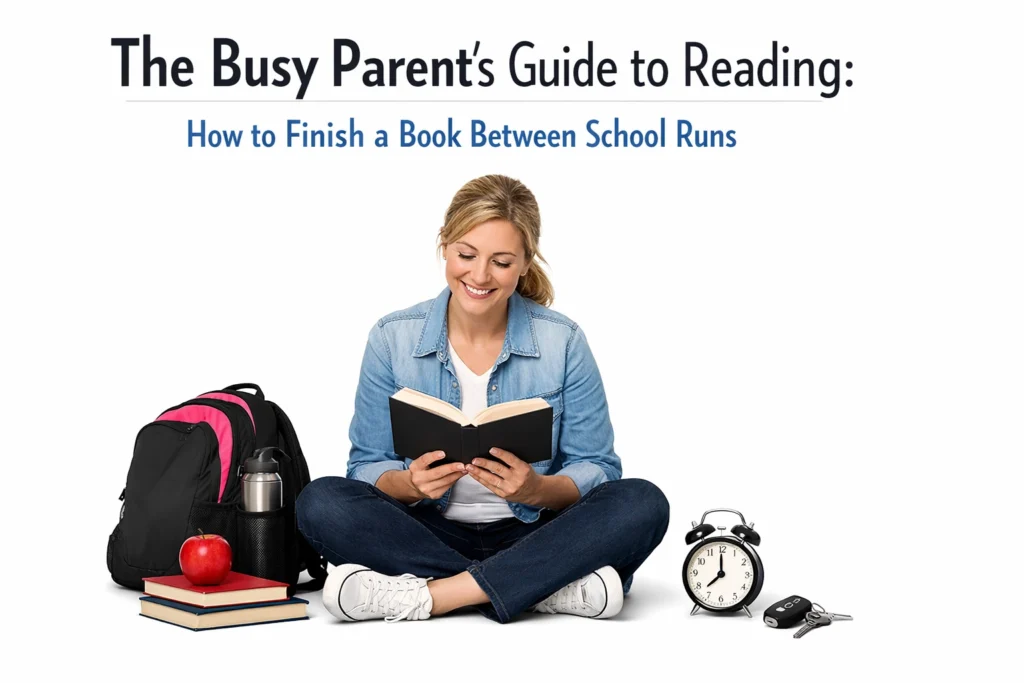
The Busy Parent’s Guide to Reading: How to Finish a Book Between School Runs
Let's be honest: that book on your nightstand? The one you started in 2023? It's not getting read. Not because you don't love reading: you do. But between packing lunches, refereeing sibling wars, and wondering why there's always one missing sock, finishing a 400-page novel feels about as realistic as getting through Target without spending $200.
Here's the surprising truth: You probably have 90-120 minutes of reading time available every week: you're just spending it staring at your phone while waiting for things. School pickup lines. Soccer practice. Doctor's office waiting rooms. That weird limbo between "we need to leave in 10 minutes" and actually leaving.
The real problem isn't time. It's the mismatch between the reading opportunities you have and the doorstop-sized books you're attempting.
The Micro-Moment Revolution
Think about your typical Tuesday. You've got:
- 12 minutes waiting in the carpool lane
- 20 minutes at gymnastics while your daughter learns to cartwheel
- 15 minutes before bed (if you're lucky and nobody needs water)
- 8 minutes during lunch while heating up yesterday's pasta
That's 55 minutes of fragmented reading time right there. Not enough for War and Peace. But absolutely perfect for a tightly-plotted 120-page novella that doesn't require you to remember 47 character names and three subplots.
Research backs this up: consistent 15-minute reading sessions build the same comprehension and vocabulary benefits as marathon reading sessions: and they're infinitely more sustainable when you're operating on four hours of sleep and coffee fumes.
Why Novellas Are Your Secret Weapon
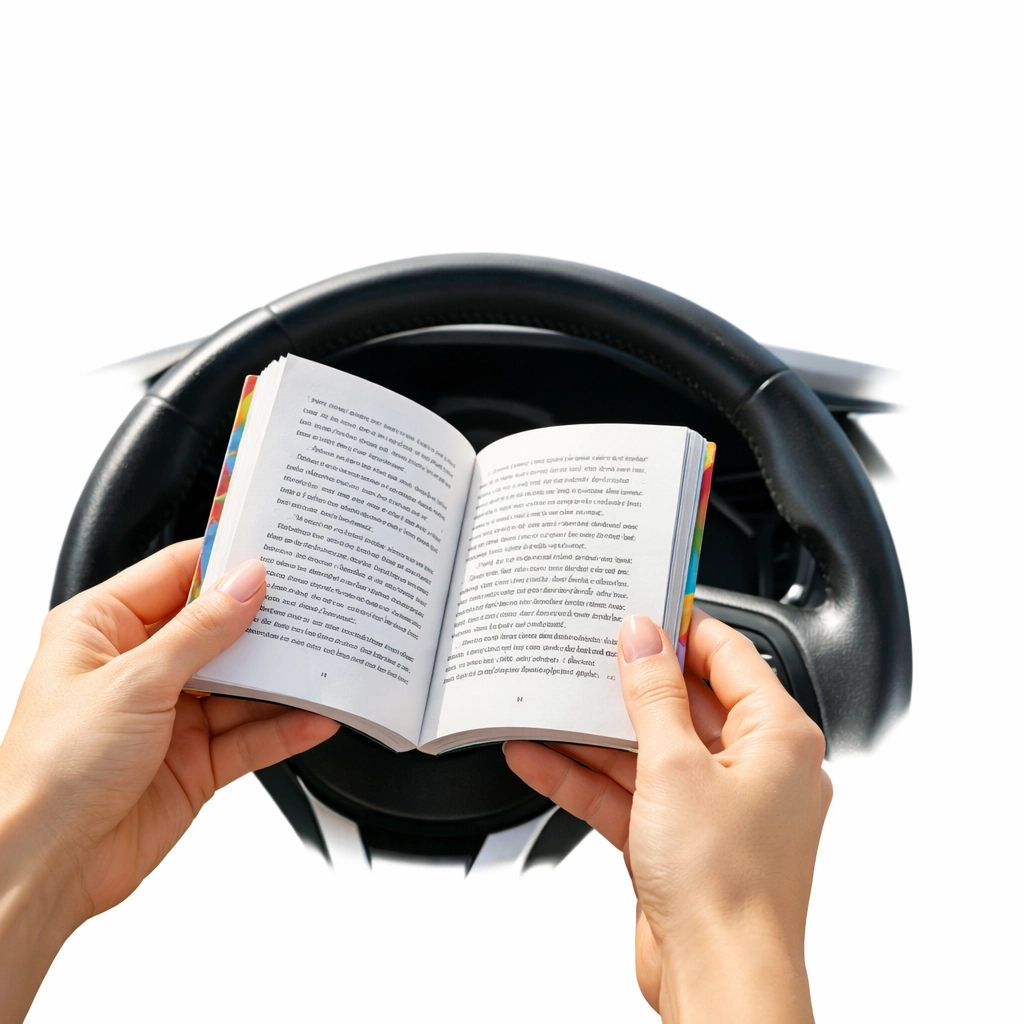
Here's what changed the game for thousands of time-starved parents: short-form fiction under 150 pages.
Traditional novels assume you have the luxury of sustained attention. They're designed for lazy Sunday afternoons and beach vacations. Novellas? They're engineered for your actual life.
The advantages are clear:
- Finish in 3-5 reading sessions instead of abandoning at page 87
- Pick up exactly where you left off without needing a plot recap
- Experience a complete story arc in the time you'd spend on social media
- Actually feel accomplished instead of guilty about that growing pile of unfinished books
A 120-page mystery fits perfectly into a week of carpool lines. A 90-page thriller can be demolished during Saturday morning sports. You're not trying to squeeze reading into your life: you're matching the right format to the time you actually have.
The Stack-in-Your-Car Strategy
Keep books everywhere humans keep you waiting. This is non-negotiable.
Your reading stations:
- Glove compartment (for pickup lines)
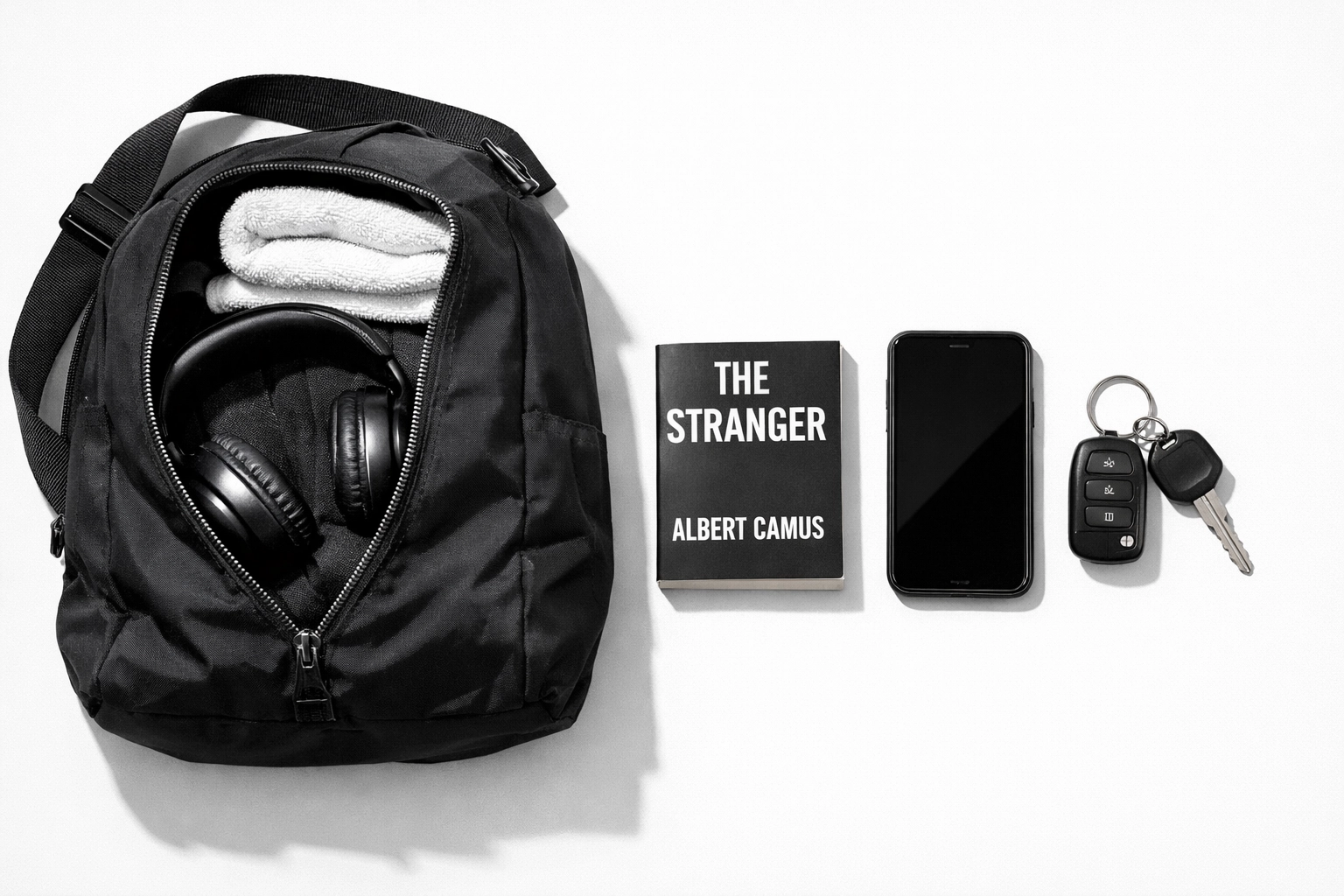
- Gym bag (for practice waiting)
- Purse or work bag (for appointments)
- Phone (digital backup for everything)
- Bathroom (no judgment: we're all friends here)
The moment you finish one novella, immediately load the next. The 30 seconds between books is where reading habits die. Don't give yourself the chance to forget you're a reader.
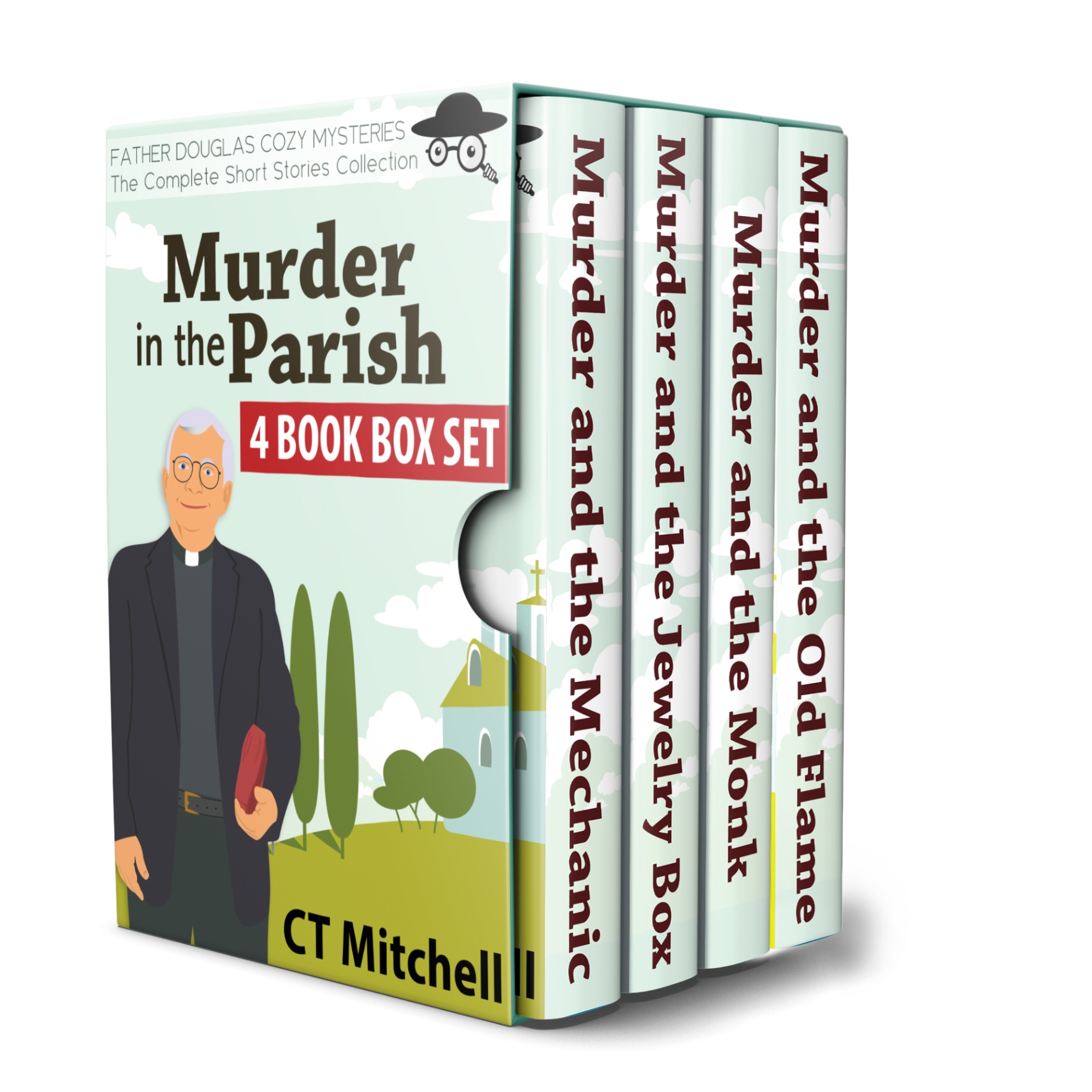
Pro parent move: Keep a physical book in the car and a digital backup on your phone. Forgot the physical book? You've got the digital. Phone died? Physical backup saves the day. You're basically the Navy SEALs of reading preparation.
Audiobooks: Your Multitasking MVP
Let's talk about the format that lets you "read" while doing literally anything else.
Audiobooks transform dead time into plot time:
- School run commutes (15-20 minutes each way)
- Grocery shopping alone (30 glorious minutes)
- Folding laundry (the only way to survive it)
- Walking the dog (Fido doesn't judge your taste in thrillers)
Library apps like Libby and OverDrive offer free audiobook access: which means you're not adding to the family budget while adding to your reading list. At 1.25x or 1.5x speed, you can finish a 3-hour novella during a week's worth of routine tasks.
The real surprise? Your kids see you "reading" even when you're driving or cooking. You're modeling that readers find a way, regardless of circumstances.
The "Good Enough" Reading List
Here's your permission slip: Stop trying to finish books you're not enjoying.
You have approximately 47 minutes of free time this week. Don't waste it on a book that feels like homework. Life's too short and your reading window's too narrow for literary martyrdom.
Strategic book selection means:
- Choosing fast-paced genres (mystery, thriller, romance) over slow literary fiction
- Prioritizing series where you already know the characters
- Embracing "beach reads" without guilt
- Bailing on any book that doesn't grab you by page 20
The benefits of short reads include higher completion rates: which means you actually experience the satisfaction of finishing stories instead of accumulating bookmarks of shame.
The 15-Minute Daily Deal
Commit to 15 minutes. Just 15.
Not an hour. Not "whenever you find time." Fifteen specific minutes every single day.
Why this works:
- It's short enough to actually happen
- It's long enough to matter
- It builds the habit before expanding the time
- It removes the pressure of "serious reading sessions"
Link it to an existing habit:
- After your morning coffee
- During your lunch break
- Right after kids' bedtime (before you collapse)
- While your partner handles bath time
Over a year, 15 minutes daily equals roughly 90 hours of reading: enough for 30-40 short novellas. That's more books than most "serious readers" finish annually, and you did it in the cracks between carpools.
The Bedside Reading Trap
You might think bedtime is perfect reading time. Plot twist: it's actually where reading goals go to die.
Why bedtime reading fails busy parents:
- You're already exhausted
- You fall asleep after two pages
- You wake up with book-shaped face imprints
- You never remember what you read
Better strategy: Read during your already-alert moments throughout the day. Save bedtime for actually sleeping (or staring at the ceiling wondering if you remembered to sign the permission slip).
If you insist on bedtime reading, choose a separate "sleep book": something light and re-readable that doesn't matter if you doze off mid-sentence. Save your "real" reading for daytime micro-moments when your brain actually functions.
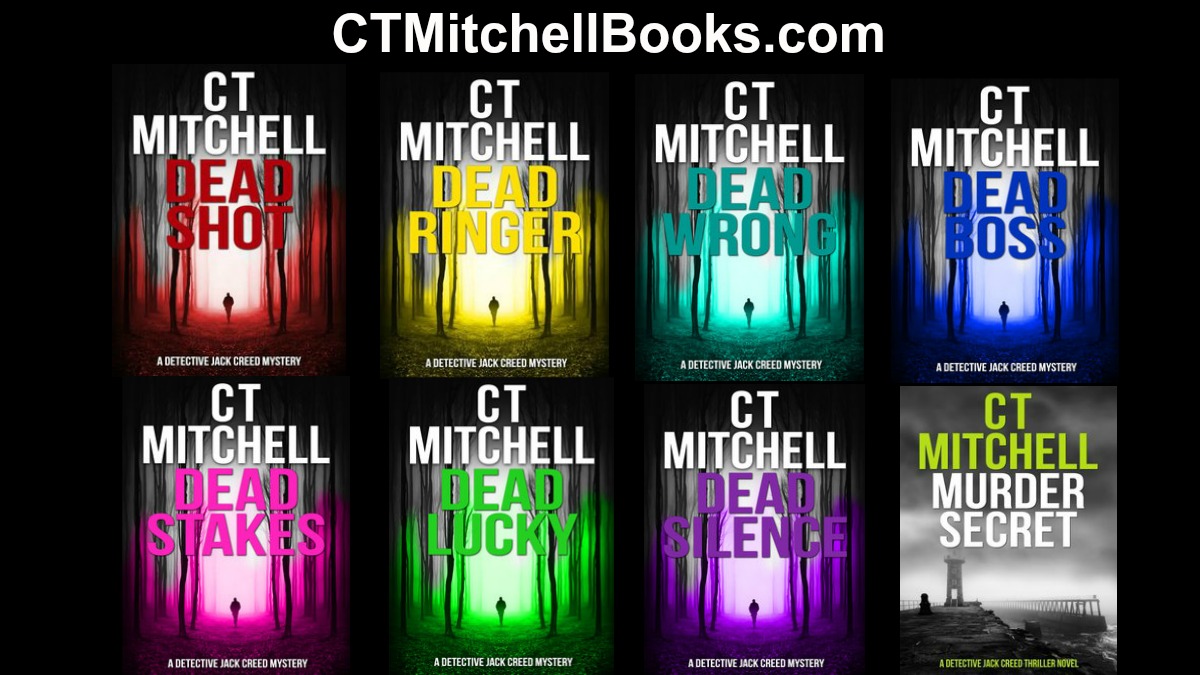
Your Reading Comeback Starts Now
The parents who successfully rebuild their reading lives don't find more time: they use different books.
They trade 400-page commitments for 120-page sprints. They read psychological thrillers that deliver twists before the soccer game ends. They choose mystery fiction types that match their attention spans and actual schedules.
Most importantly: they stop feeling guilty about what they're not reading and start celebrating what they are.
Every finished novella proves you're still a reader. Every complete story reminds you that books aren't just for people with time: they're for people who make time, even if it's just 12 minutes in a carpool line.
Ready to actually finish books again? Browse quick reads designed for real life: complete stories that fit between school runs, homework battles, and wondering where that smell is coming from. Because you deserve to read books you'll actually finish, not collect guilt-inducing bookmarks at page 43.
Your reading comeback doesn't require a vacation or a miracle. Just a shorter book and a carpool line. You've got this.
Share