

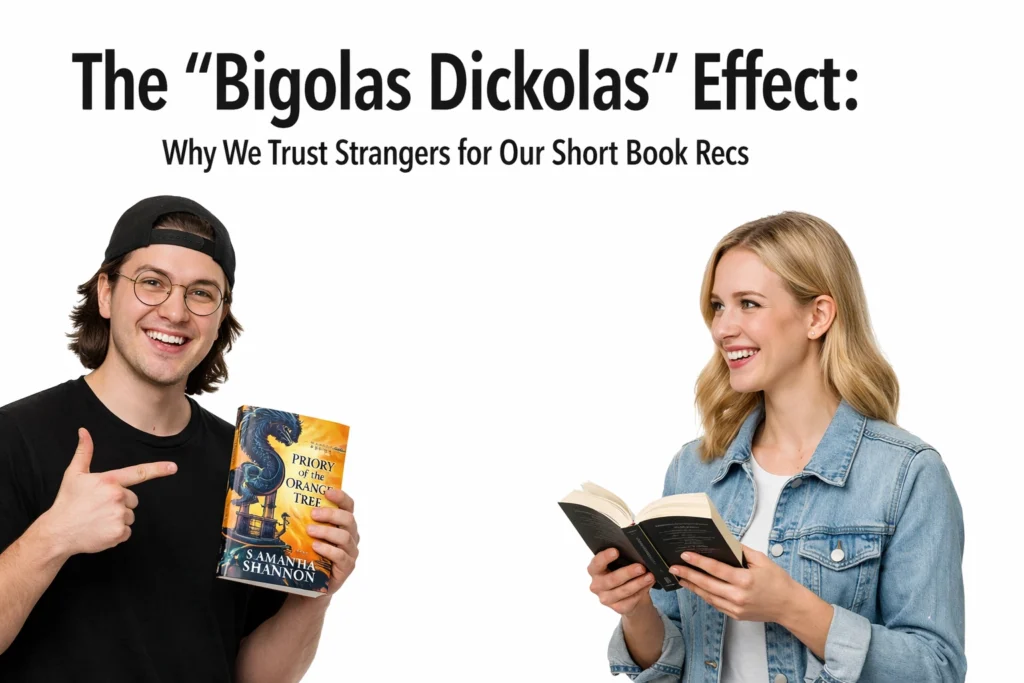
The “Bigolas Dickolas” Effect: Why We Trust Strangers for Our Short Book Recs
An anime fan with a ridiculous username pushed an obscure sci-fi novella to #3 on Amazon's overall bestseller list, beating Pulitzer Prize winners and household-name authors, with a single tweet. No marketing budget. No influencer campaign. Just pure, unfiltered enthusiasm and six magic words: "just read it, it's only 2 hours."
Welcome to the "Bigolas Dickolas" effect, where strangers on the internet have more power to sell books than traditional publishing can buy.
The Tweet That Changed Everything
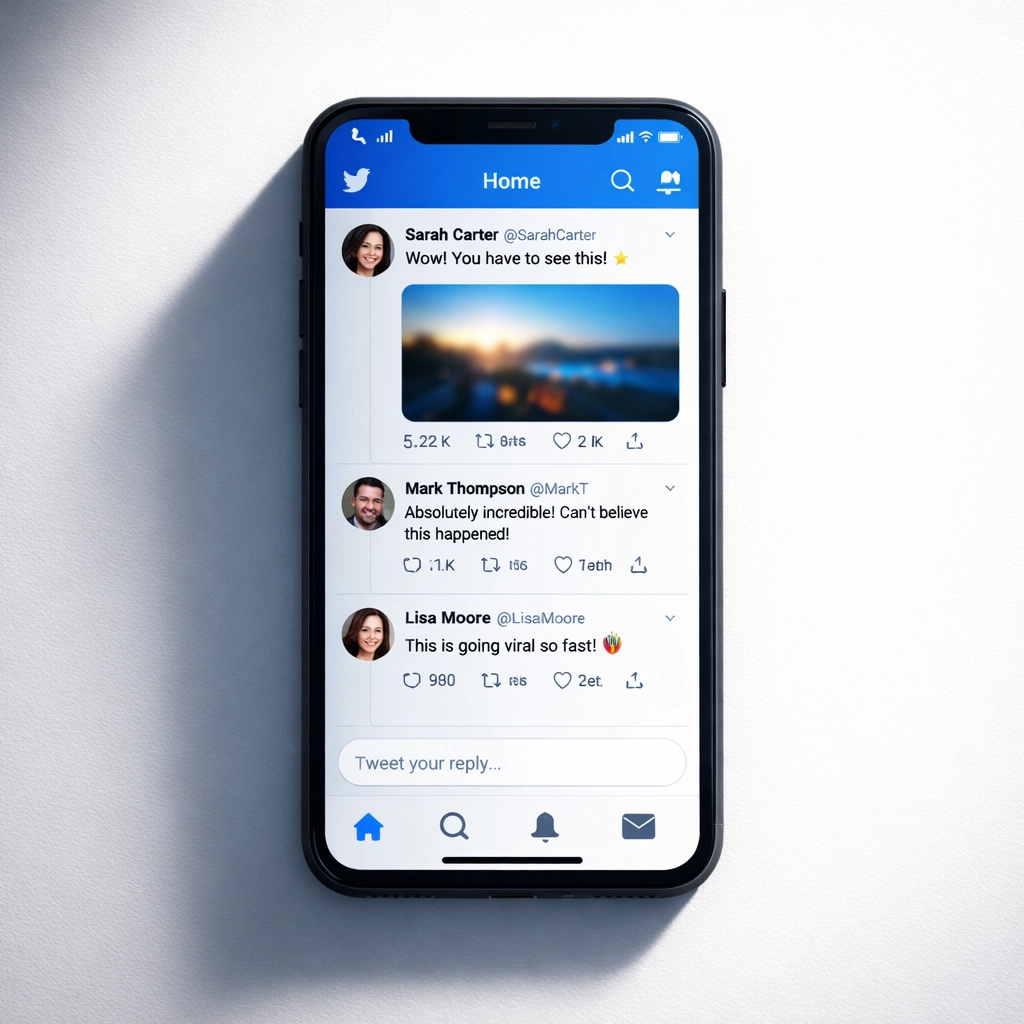
In 2022, a user named "Bigolas Dickolas Wolfwood" (yes, really) tweeted about This Is How You Lose the Time War by Amal El-Mohtar and Max Gladstone. The recommendation wasn't polished. It wasn't strategic. It was just someone genuinely losing their mind over a book they loved: and crucially, emphasizing how short it was.
The result? The book rocketed to Amazon's top 3, outselling established bestsellers and leaving the publishing industry scratching their heads. Twitter typically isn't where books go viral. BookTok had already proven the power of grassroots recommendations: The Song of Achilles sold over 2 million copies after TikTok discovered it in 2021: but a single tweet on Twitter? That was new territory.
Book culture reporter Kelsey Weekman captured why it worked: "Just seeing genuine enthusiasm from some random person about something makes it seem like a better investment to me. It feels refreshing to get a recommendation from a real person."
Why We Trust Strangers More Than Experts
Here's the counterintuitive truth: you're more likely to trust a book recommendation from a random internet stranger than from a professional reviewer or influencer. Why?
The authenticity gap. When you see a coordinated marketing campaign or a sponsored post from a book influencer, your brain immediately goes into skepticism mode. You know there's money involved. You know there's an agenda. But when someone with an anime username tweets at 2 AM about a book that "destroyed them emotionally"? That feels real.
The Bigolas Dickolas tweet succeeded precisely because it didn't feel like marketing. It felt like stumbling onto a friend's diary entry. No one paid for that enthusiasm. No publishing house orchestrated that moment. It was just pure reader-to-reader connection: and we're starved for that authenticity in an age of algorithmic feeds and sponsored content.
The novelty factor matters too. Because Twitter isn't typically where books go viral, the recommendation broke our expectations. It felt like discovering a secret rather than being sold to. When something surprises us: when it doesn't fit the usual pattern: we pay attention.
The Low-Commitment Loophole
But here's where it gets really interesting: the book being short wasn't just a detail. It was the entire pitch.
Think about the last time someone recommended a 600-page novel to you. Your immediate internal response was probably: "That sounds great, but when would I read it?" Recommending a long book feels like asking someone to commit to a relationship. Recommending a short book? That's asking them to grab coffee.
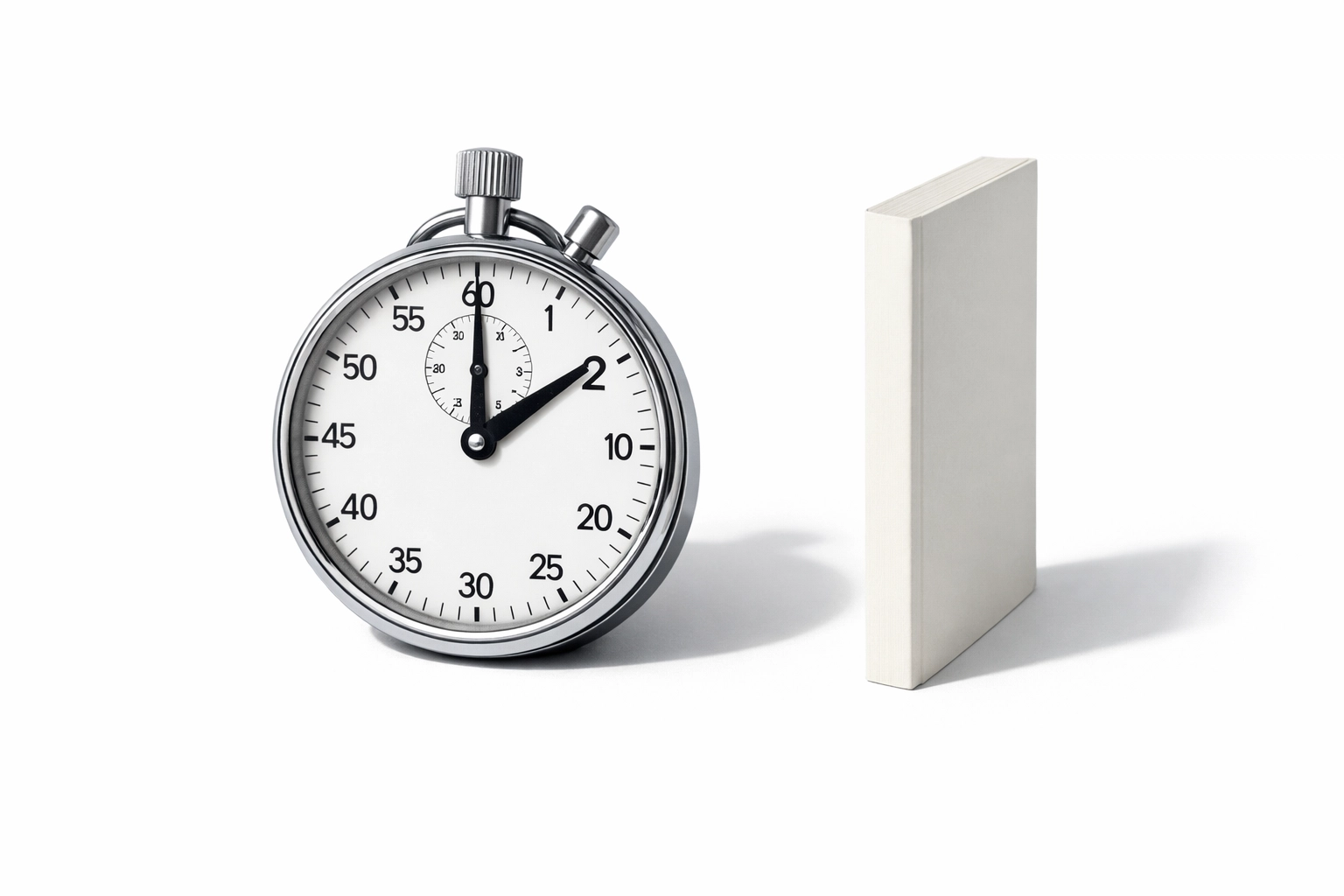
"Just read it, it's only 2 hours" is possibly the most powerful sentence in modern book marketing because it removes every barrier to entry:
- No time excuse. You have 2 hours. Everyone has 2 hours.
- Lower risk. If you hate it, you've only "wasted" 2 hours: the length of a mediocre movie.
- Easier to trust. Recommending a short book doesn't feel like you're asking for a major commitment from someone.
- Built-in urgency. The brevity creates FOMO. "It's so short you could finish it tonight" makes you want to start immediately.
The recommendation essentially said: "Trust me, the barrier to entry is so low that even if I'm wrong about your taste, you won't regret trying."
The Psychology Behind the Magic
Co-author Max Gladstone noticed something fascinating about the viral tweet itself: "There's a grand swell of Twitter rhetoric… the way it's constructed, the use of cases, the use of stan violence." Co-author Amal El-Mohtar added: "There's a poetry to it!"
The form of the recommendation mattered as much as the content. The tweet didn't just say "this book is good": it performed enthusiasm in a way that felt contagious. The capitalization. The emotional intensity. The vulnerability of admitting a book wrecked you. All of it signaled: "This person isn't just recommending a book. They're sharing an experience."
This taps into something researchers call social proof: we look to others to determine what's valuable, especially when those others seem like us. Bigolas Dickolas wasn't a professional critic with different standards and tastes. They were just another person scrolling Twitter who happened to read something extraordinary.
And because the book was short, the recommendation felt more democratic. You weren't being told to trust someone's judgment on a 40-hour reading commitment. You were being invited to spend an evening trying something that moved a stranger. The stakes felt manageable.
Why This Matters for Modern Readers
The Bigolas Dickolas effect reveals something crucial about how we discover books in 2026: we're not looking for perfect recommendations. We're looking for low-risk experiments.
Traditional book marketing asks you to commit before you know if something's right for you. It's all jacket copy and review quotes and marketing language that sounds impressive but tells you nothing about whether you'll like it. But a stranger saying "this destroyed me and it's only 2 hours long" gives you everything you need: emotional stakes, personal testimony, and a clear time investment.
This is why short books have such an advantage in the recommendation economy. When someone tells you about a novella they loved, they're not asking you to trust their judgment on a massive investment. They're saying: "Give this 90 minutes. If I'm wrong, you've lost nothing."
That permission to try something with minimal consequences? That's gold in an attention economy where we're all overwhelmed with options and paralyzed by choice.
The Ripple Effect
The success of that single tweet didn't just sell books: it changed how people think about recommending them. Suddenly, emphasizing brevity became part of the pitch. "It's a quick read" transformed from a minor detail to a major selling point.
You might think this only works for literary fiction or niche titles, but the principle applies universally. Whether it's a psychological thriller that takes 90 minutes or a cozy mystery you can finish between school runs, the low-commitment factor makes recommendations feel less risky for both the recommender and the reader.
The real surprise? This isn't actually new. Readers have always craved complete, satisfying stories they can finish in one sitting. What's new is that the internet finally gave us permission to celebrate that desire instead of apologizing for it.
What This Means for Your Reading Life
If you've been hesitant to trust book recommendations from strangers online, the Bigolas Dickolas effect suggests you might be missing out. Those random enthusiastic posts from people with chaotic usernames? They're often more reliable than curated bestseller lists or algorithm-driven suggestions.
Here's why it works:
- Authenticity beats polish every time
- Short books lower the trust barrier
- Personal passion is more persuasive than professional marketing
- "Try this, it's only X hours" removes your excuses
The next time you see someone losing their mind over a short book, maybe just trust them. The worst case? You spend an evening with something that didn't quite land. The best case? You discover your new favorite book from someone named Bigolas Dickolas.
Ready to experience the magic of short reads that complete strangers are raving about? Browse our collection of under-150-page mysteries, thrillers, and cozy mysteries: all designed to give you that "just read it, it's only 2 hours" satisfaction. No commitment required. Just you, a short book, and the possibility that a stranger on the internet might be right about what you need to read next.
Share


Related posts:
 The Year of the Slim Volume: 5 Reasons Why Short Books Are Winning the Reading War
 Reading Self-Esteem: Why Finishing 3 Novellas is Better for Your Brain Than One DNF Novel
 Psychological Thriller Short Stories: Why Your Brain Craves a Fast-Paced Twist
 Why Everyone Is Talking About Short Australian Murder Mysteries (And You Should Too)