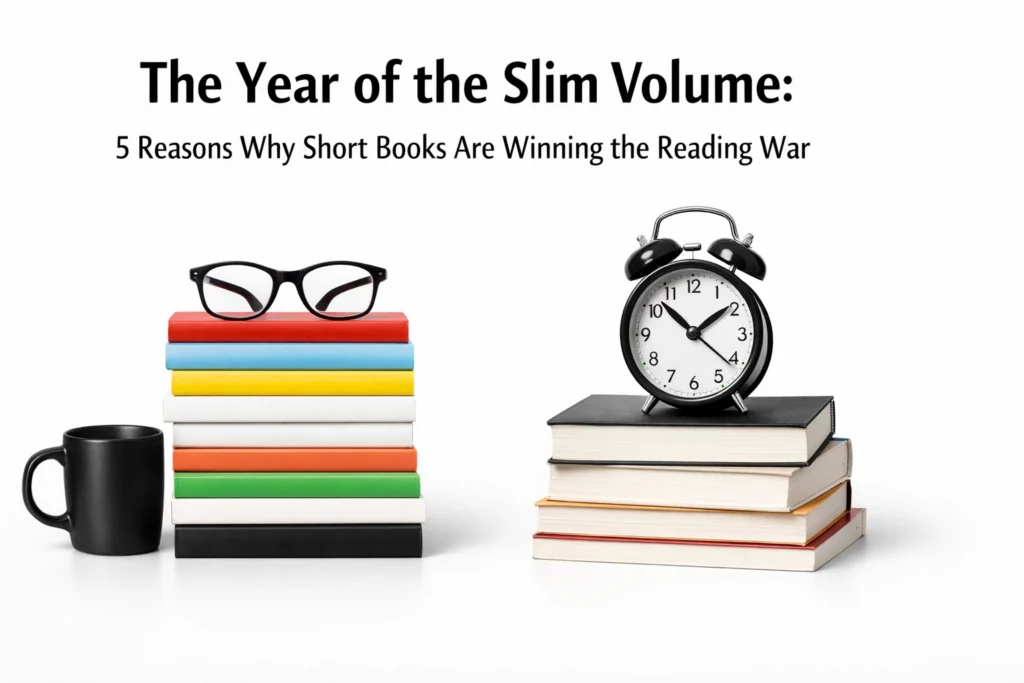
The Year of the Slim Volume: 5 Reasons Why Short Books Are Winning the Reading War
Remember when "I haven't had time to read" was just a polite excuse? Turns out, it was a market signal the entire publishing industry missed: until a Twitter user named Bigolas Dickolas Wolfwood broke the internet in May 2023.
His viral tweet about This Is How You Lose the Time War wasn't a literary critique. It was a promise: "it's only like 200 pages u can download it on audible it's only like four hours." That tweet generated 145,000 likes, rocketed the book to #3 on Amazon, and proved what we at The Short Reads have known all along: readers don't want less literature. They want less filler.
Fast-forward a few months: Annie Ernaux wins the Nobel Prize. All her best-known works? Under 200 pages. Some under 100. Industry insiders started calling 2023 "the year of the slim volume," and suddenly, publishers were racing to launch novella imprints. Gagosian, New Directions, The Atlantic: everyone wanted a piece of the short book revolution.
But here's the real surprise: this isn't a trend. It's a correction. For decades, publishing insisted books needed to be 400+ pages to justify their price tags. Readers just decided they were done with that nonsense.
Here are the five forces driving the short book takeover: and why you should stop feeling guilty about that unfinished doorstop on your nightstand.
1. The Self-Esteem Boost: Finishing Actually Feels Good
You know that stack of half-read books glaring at you from the shelf? That's not laziness. That's reader burnout, and it's killing your confidence.
"Self-esteem is very important for people when it comes to reading," says Karah Preiss, co-founder of Belletrist book club. She's talking about the psychological power of completion: the idea that you can start a book and reasonably finish it without requiring a sabbatical.
Think about it:
- A 400-page novel takes the average reader 13+ hours to finish
- A 150-page novella? 4–5 hours
- That's the difference between "I'll finish it eventually" and "I finished three books this week"
Readers who typically avoid literature because they "don't read enough" are discovering that reading several short books in quick succession empowers them to identify as readers again. It's not about lowering standards: it's about removing the psychological barrier that says you need a vacation to finish a novel.
At The Short Reads, we've watched this play out in real-time. When you can finish a complete Detective Jack Creed mystery between breakfast and lunch, suddenly you're not a "non-reader" anymore. You're someone who just binged three thrillers this week.
2. The 'All Killer, No Filler' Effect: Intensity Over Padding
Let's be honest: how much padding does the average book-length book have?
Critic Maris Kreizman poses the question perfectly: "When a novella is perfect, why bother padding it with other stuff?" The answer, historically, has been economics. Publishers believed readers wouldn't pay $28 for 150 pages, so authors stretched stories like taffy until they hit the magic 300-page minimum.
But readers are catching on. They're realizing that form is a vessel through which a story is told, and a book should be exactly as long as the story requires: no more, no less.
Consider the appeal:
- Concision is luxury. No subplots that go nowhere. No 40-page descriptions of breakfast.
- Intensity over sprawl. Every sentence earns its place.
- Precision matters. Short books force authors to make every word count.
Author Alexandra Kleeman calls this "the luxury that is concision": the idea that instead of something feeling 'slight' because it's short, we can appreciate the intensity of it. It's the literary equivalent of choosing a perfect espresso over a watered-down latte.
3. The Goodreads Hack: Gaming the Reading Goals
Here's the part nobody wants to admit out loud: it is so much easier to read a large number of books if you're reading short books.
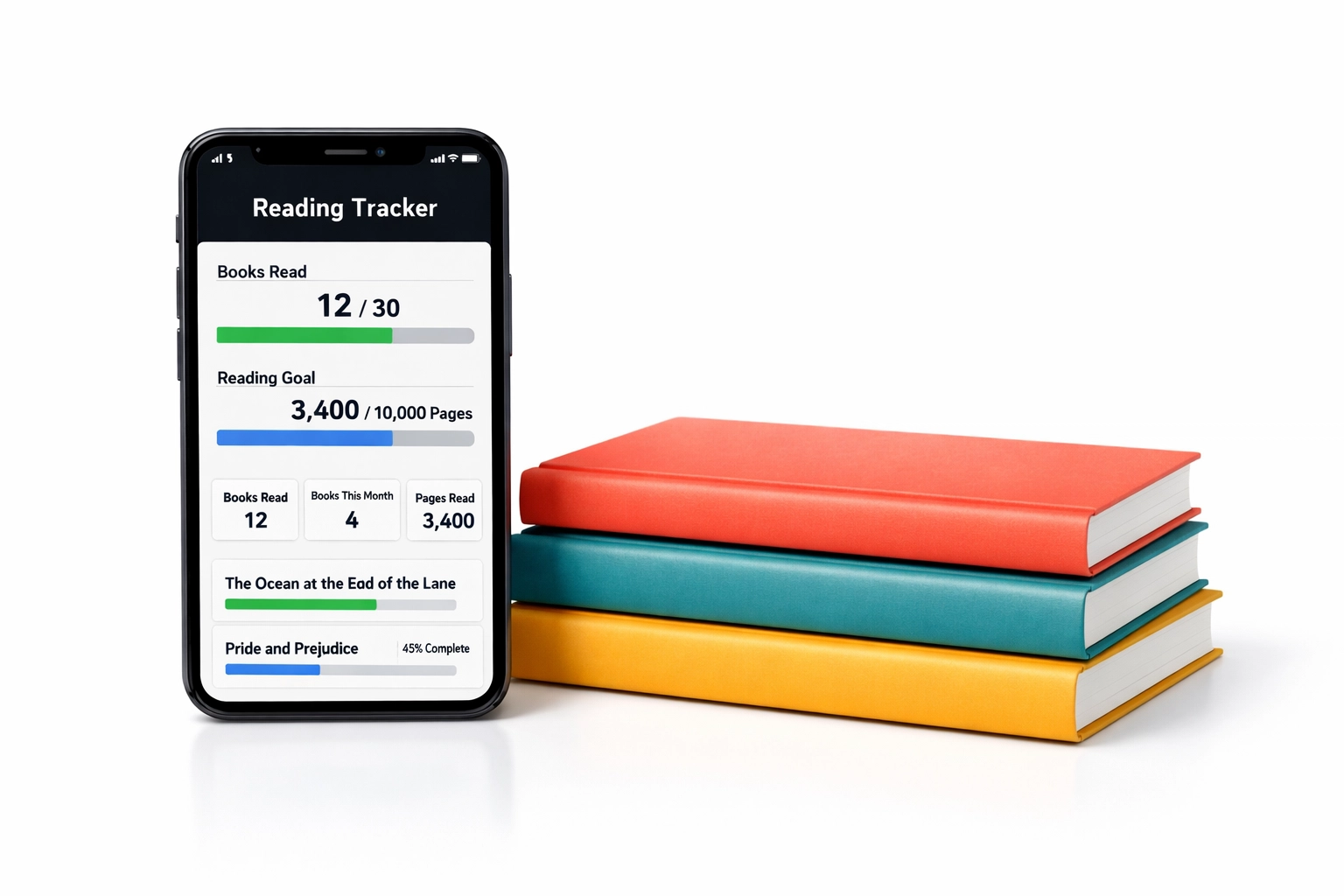
The rise of Goodreads challenges and reading trackers has created a new type of reader: what Kreizman calls "tech bros and Goodreads ladies alike": who keep running lists of what they've read to post a grand total at year's end. And if you're trying to hit 50 books this year, are you reaching for Infinite Jest or a 180-page novella?
The math is simple:
- One 500-page epic = 1 book toward your goal
- Three 150-page novellas = 3 books, finished in the same timeframe
- Both deliver complete stories. One triples your stats.
Is this "gaming the system"? Maybe. But it's also democratizing reading culture. The New York Times even published a list of "books you can read in a day," and readers are treating it like a treasure map. If the goal is to read more, short books remove the friction.
We're not suggesting you abandon long books entirely: but if you've been "reading" the same 600-page fantasy epic since 2019, maybe it's time to close that tab and try something you'll actually finish.
4. The Palate Cleanser: Low-Commitment Experimentation
Publishing insiders have been recommending novellas to each other as "palate cleansers" for years: quick, intense reads between bigger projects. Now, general readers are discovering what the industry elite already knew.
Short books are the perfect low-commitment experiment for readers who want to:
- Try a new genre without investing a week
- Sample an unfamiliar author's style
- Read something intellectually rigorous without the time burden
- Explore experimental or cross-genre works without fear
Books like Bluets by Maggie Nelson and Autobiography of Red by Anne Carson have become perennially popular among readers who want capital-L literature in manageable doses. These aren't "beach reads": they're sophisticated, challenging works that respect your time.
Independent bookstores have noticed this shift, too. At Books & Books in South Florida, head buyer Gael LeLamer stocks "a lot of those little novellas right by the register": formerly the domain of novelty gift books. And they're selling better than impulse-buy tchotchkes.
Why? Because a $20 novella feels like a bargain when commercial hardcovers are pushing $40. You're getting a complete, satisfying reading experience for half the price and a quarter of the time commitment.
5. The Luxury of Concision: Short as a Status Symbol
Here's where things get interesting: short books are becoming a smart choice, not a compromise.
When Annie Ernaux won the Nobel Prize in Literature, it gave everyone "license to write their own slim volumes or pick up more slim volumes," according to Kleeman. Suddenly, reading short books wasn't about having a limited attention span: it was about having sophisticated taste.
Publishers responded by launching dedicated imprints:
- Gagosian's Picture Books: Hardcover fiction under 100 pages
- McNally Editions: Elegant slim volumes launched in 2022
- New Directions' Storybooks: Hardcover stories you can finish in 90 minutes
- The Atlantic Editions: Standalone essays with Molly Stern's Zando
These aren't cheap paperbacks. They're beautifully designed hardcovers priced in the mid-$20 range for 60 pages: and they're selling. Why would someone pay that much for so few pages? Because readers are zeroing in on how much padding so many book-length books have. They're willing to pay for quality over quantity.
Think of it this way: Would you rather spend $35 on a bloated 400-page novel you'll abandon on page 187, or $22 on a razor-sharp 120-page novella you'll finish, remember, and recommend?
The slim volume isn't "less than" a long book. It's distilled, intentional, and respectful of your time. That's not a compromise: that's luxury.
The Short Reads Was Ahead of the Curve
While the publishing industry spent 2023 "discovering" that readers want shorter books, The Short Reads has been pioneering this model from day one. We've always believed that a great story doesn't need 400 pages: it needs exactly as many pages as the story requires.
Our library of novellas under 150 pages isn't a reaction to a trend. It's a commitment to the idea that readers deserve complete, satisfying stories that fit their actual lives: not the fantasy life where they have unlimited reading time.
Whether you're rediscovering your love of reading or just tired of books that feel like homework, the message is clear: 200 pages is a beautiful, beautiful thing.
Ready to experience the luxury of concision? Browse our collection of short reads and finish your next book before your coffee gets cold.
Share